
When ‘AI tells’ encompass half the dictionary, you know it’s gone a bit awry
Article by:Alex Maxwell
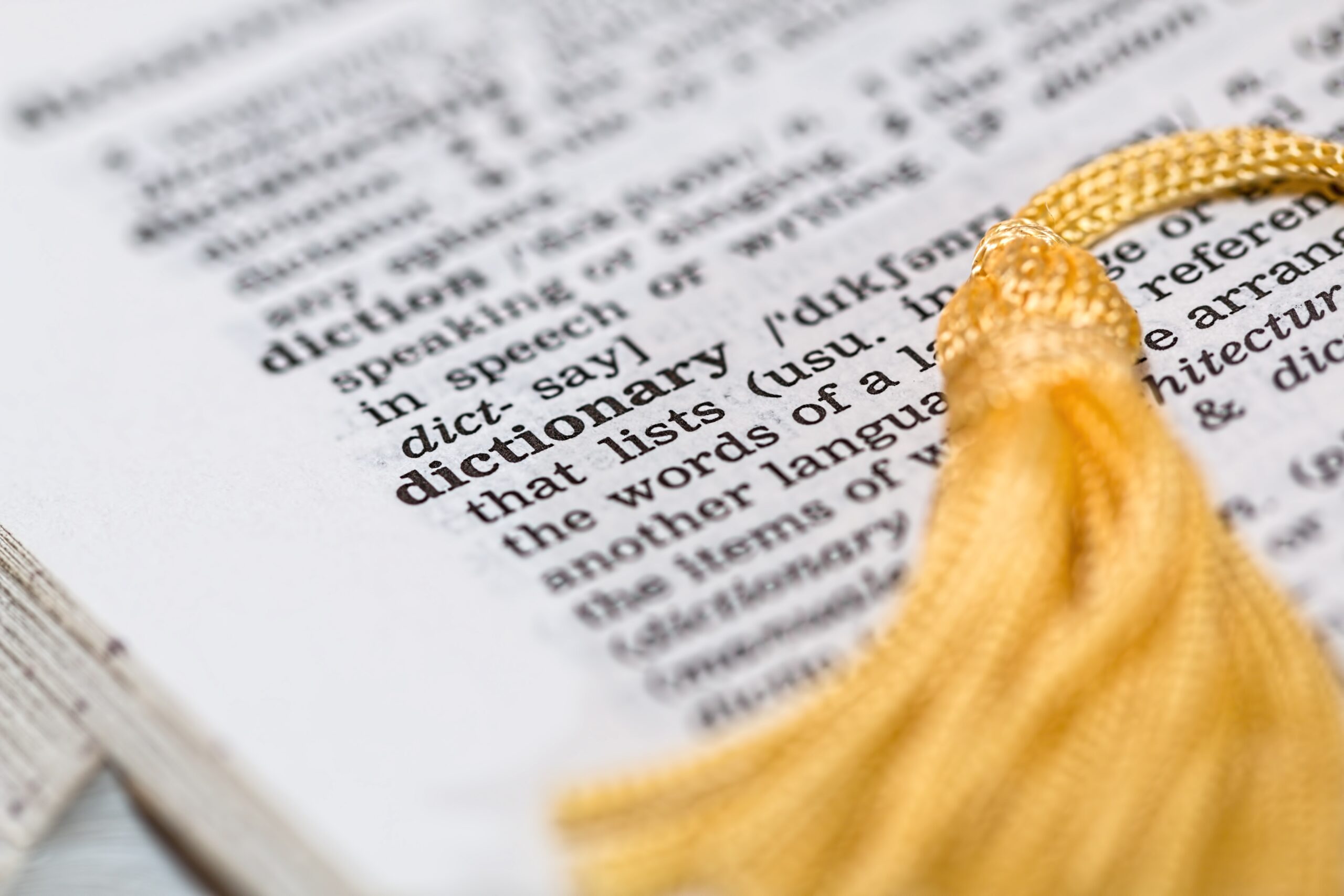
The other day, I came across yet another post online with a table of ‘AI tells’. It was literally half the dictionary. If you haven’t seen such a post before, essentially, a marketer or content writer will list all the hallmarks of AI content – words, phrases, punctuation, structures – which are ‘to be avoided at all costs’.
There’s often a list of ‘banned words’, as if some words don’t deserve to exist. I even saw conjunctions like ‘but’, ‘so’ or ‘however’, which are a crucial device for conveying connections and flow between thoughts. This isn’t an outright dig. I’m fully aware of when writing doesn’t hit the mark and you can tell AI has been used. That’s what propels people to create these posts and lists; frustration arises from the fact it would’ve been easier not to have used it in the first place then to rewrite it.
But these lists and tables aren’t the way to go about it. You can feel when writing is AI without needing a detailed overview. And if it doesn’t feel that way, then does it matter?
The ‘AI scrutiny’ check – and repetition repeated repeatedly
Punctuation was the first to bear the brunt of AI scrutiny, as I term it. Then it’s been the rule of three and phrases like ‘It’s not… It’s…’ that have come under this scrutiny – typical rhetorical devices, but ones AI loves. The real issue is that AI repeats these structures continuously, meaning the writing feels robotic. But this is something that has always been on an editor’s radar: it’s the frequency of seeing the same thing that makes you want to see something different.
Repetition, however, isn’t always a bad thing. It can be a powerful rhetorical device, or can creatively convey a point. But without a specific purpose for doing it, it becomes jarring, and that’s what’s been missing from a lot of the discourse. In this sense, we shouldn’t be hunting for whether a word, phrase or dash has been used, but rather judging how it sits within a piece and whether it conveys the meaning and ideas of what you’re attempting to express.
It’s considering how the piece is structured, how the points flow together, how the sentences sound. And sometimes, if you actually interrogate the language, you often arrive at the conclusion of, ‘But what is it actually saying?’
There’s no one way to write a line, but there might be an optimal way for it to be written in that specific context, and that’s where and why the editing process is so crucial. Even though some of these posts astutely accentuate the issue of repetition, as I said last week, they still miss a broader point, and that’s the feeling of the prose, the natural rhythm, the soul. Style and voice are what make writing readable.
A reflection of previous online writing
You could argue that these ‘AI tells’ started long before the arrival of AI, with the emergence of the internet and SEO practices. PR has often fallen foul of generic terms and buzzwords – which themselves drew the ire of journalists pre AI – but these have been gobbled up and regurgitated by AI.
But AI tells aren’t the issue, it’s reliance. When people become dependent on AI for writing, it’s very hard to think of sentence structures outside of AI-generated ones. As I’ve said before, you can’t get bread again once it’s been toasted. We’re being exposed to ever greater quantities of AI content, and so will subconsciously absorb it. And the more people use it, the more they start to sound the same. It’s the reason these AI tells are being picked up on so much.
The trouble is even when a sentence has been written by a human, people will see it as inauthentic if it has an ‘AI tell’. But if you read an opinion piece in The Guardian or the FT, for example, you don’t question it because you can so clearly tell that the writing is from the person writing the piece, that a colon or dash doesn’t bring up accusations of AI use, even if they are repeated in quick succession.
It’s also worth noting that (sorry, I realise that’s a phrase that has been banned!) there will be people who have used and edited AI in such a way that no one will know that’s how they created it. Again, this flies in the face of AI tells. But it’ll be because they’ve incorporated their own voice and insights too.
These AI tells will of course evolve as the platforms continue to learn. So, these tables themselves will be on a never-ending chase after new tells. As such, trying to pick out whether someone has used AI will become less important. It’ll be clear from the end product and how it reads.
Related Articles



Big tech’s PR pivot on the AI jobs apocalypse was predictable – what should scaleups take from it?
Article by:Alex Maxwell