
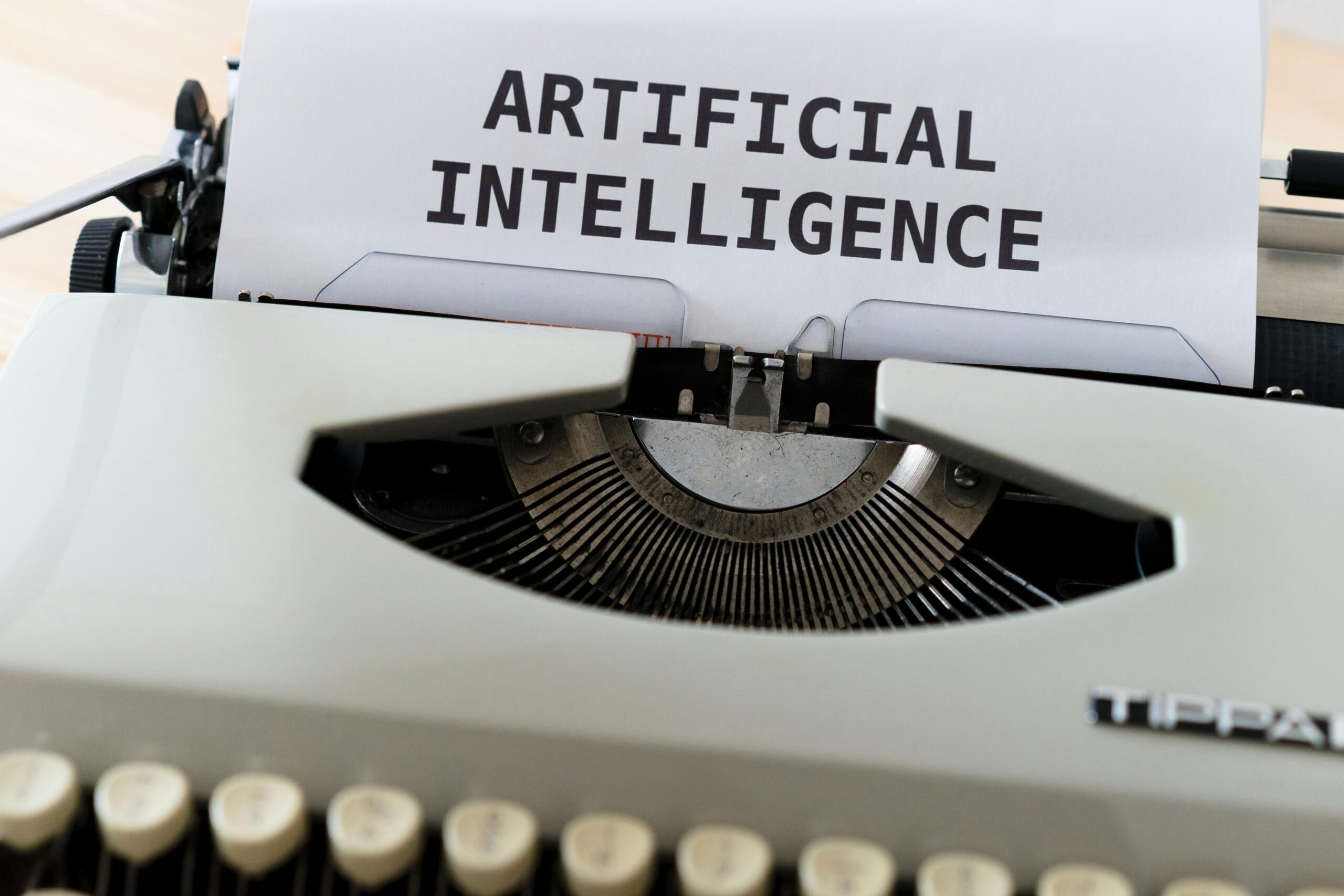
People are becoming fixated on whether content ‘is AI’. You only need to peek at LinkedIn to see a stream of posts zealously debating the issue. Most people who have encountered AI content are aware of its hallmarks, and the reason AI use is perceived unfavourably is because you can often see its detrimental impact on said content. (In another blog, I’ll dive into the supposed AI telltale signs and how language was already shifting before then.)
The trouble now, however, is that you might use a few colons perfectly accurately and someone will go ‘that looks like AI’ even though AI wasn’t used. And when people start saying something is AI even when it’s not, it then becomes a case of meeting those expectations; that can be problematic for writers: a perfectly good use of punctuation suddenly comes under ‘AI scrutiny’. Really, though, it should just be about whether the writing lands.
Concurrently, the more people use AI and become accustomed to AI-generated content, the more they see it as normal, and this alters their expectations of what ‘good’ looks like. And the more people lose the ability to critically analyse and evaluate texts, or anything for that matter, the more they will accept the new standard.
So, do these expectations mean the substandard will become standard? Will this erode quality content?
When the substandard becomes standard
Expectations have a funny habit of influencing habits. The adapt or die mantra (a tech sector fave) is a classic, manipulative way of triggering people into thinking they will be left to rot away in a luddite wasteland if they don’t use AI, while those who do will thrive. But standing against the tide can be an effective tactic, especially in the creative sphere. It makes you stand out.
It’s not only AI that has impacted expectations. You could argue that many TV shows have become more ‘beige’ to match dwindling attention spans and social media habits. Remakes and sequels over new works have become increasingly ubiquitous too. But here’s the point: quality, well-scripted and incredibly shot dramas still cut through like nothing else – they just require more dedication, commitment and creativity to pull off.
A musician could produce a song completely with AI if they wanted to. But what would be the point? It wouldn’t be better, just faster and cheaper to produce. For all the commentary around the technicalities of writing and AI-generated content, I think there is a greater truth at play, and that’s one of soul.
Content with soul
I recently saw a video of the actor Mark Rylance talking at the Old Vic theatre that really hit home. He was discussing the seven different modes of Greek rhetoric such as grandeur, ethos and decorum/gravity. Clarity was the first mode, but he outlines why the manner in which something is expressed is just as integral as achieving clarity.
“The beauty of what they’re [the actors] saying and how they’re saying it is as important as the meaning of it, the emotional truth, all the different qualities,” Rylance explains. He goes on to say “that’s what gives something soul”.
An article could clearly state the right facts and information but lack any essence of soul. Opinion sections in publications are joyful to read because they are so evidently brimming with human personality, perception and insight. And what makes writing and art so compelling is that fact it can be done in so many ways.
Bucking the trend will be the trend
While expectations change, people are consistently propelled by an innate curiosity to discover something new. Nothing replaces the feeling of content that taps into relatable experiences and unlocks emotions; a piece of writing that totally opens up your perspectives and way of thinking.
There’s a reason why there’s been a return to analogue and authentic experiences. Recent events like the Masters banned phones, creating a more attentive and social audience, while fiction book sales are on the up. These trends will also influence expectations around content.
This blog can only lightly scratch the surface on the depths of discussion to be had around this topic. But there could be a much simpler point to take from all of this: use AI as a tool for what it’s objectively good at and for the good of the world. With writing, or creative endeavours, is it really necessary?
Quality content will always shine through. Whether it has the platform and opportunity to do so is another question.
Related Articles