An email dropped into my inbox recently declaring 2026 to be “the year of the analogue”. The revival of physical media and real-world plans. But the return to analogue is a trend that’s been taking place for some time (and something of my own personal experience).
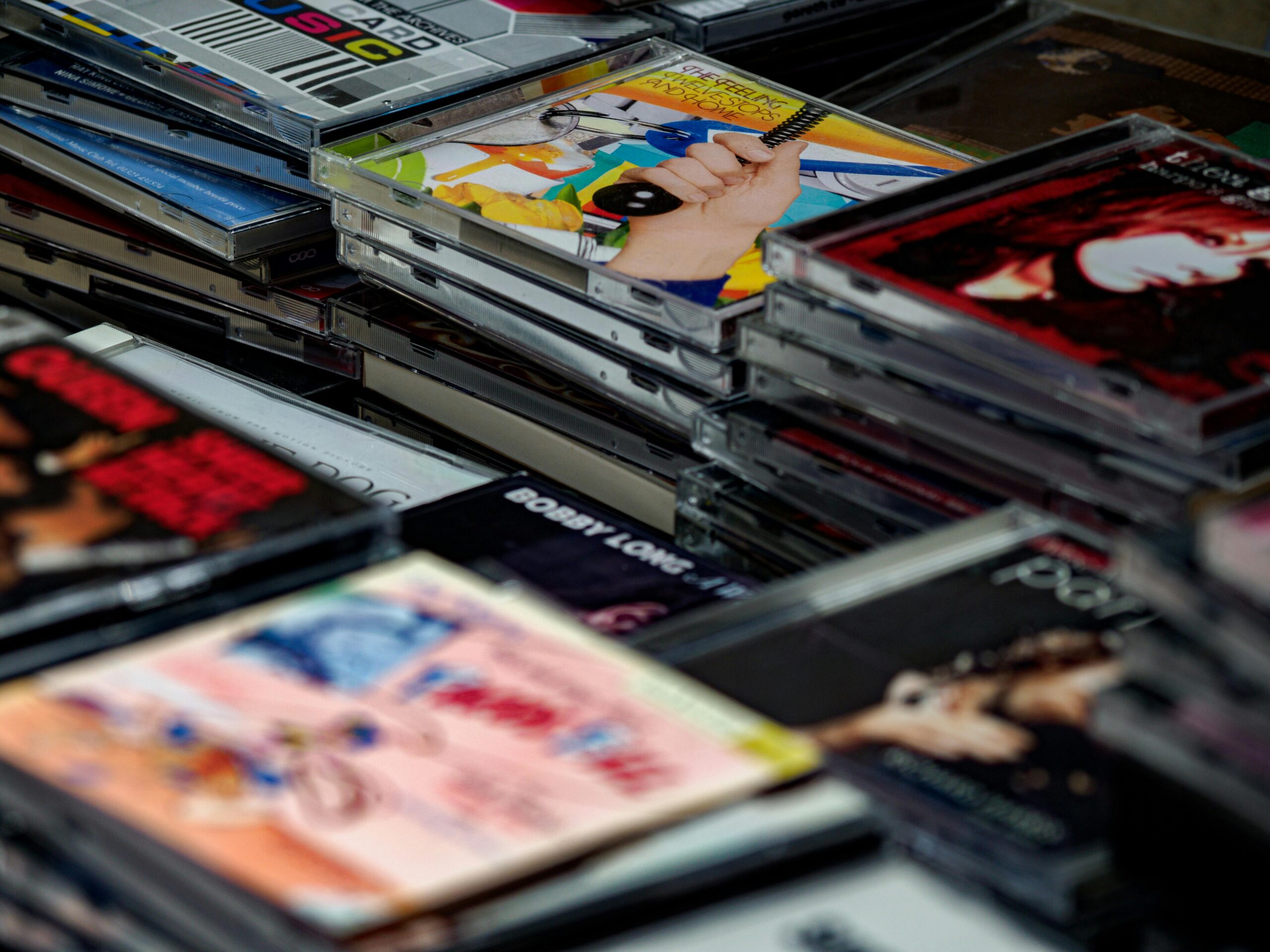
When I wrote about the merits of traditional PR a couple years back, vinyls were on the up. Now, sparked by Gen Z, it’s CDs. Spurred on by a nostalgia harking back to the 90s and noughties, John Lewis recently reported that sales for its CD players had risen 74% – the physical products that streaming was meant to kill off.
In particular, the email brought my attention to a study revealing that time spent on social media has been in decline since 2022, falling 10%. The stat is from an FT article, pulling its data from a GWI study of 250,000 adults. It also correlates with a BBC article from last year claiming nearly a third of social media users now post less often.
There is a caveat, namely that this is a decline in active participation on platforms, not in the number of users. But what this alludes to is a change in how people are interacting with traditional social media platforms and what content they value.
An evolving form of engagement
It’s well-established now that many audiences, particularly younger generations, are becoming passive watchers rather than interacters, with messaging and sharing taking place in private DMs and real life. Engagement is still there, just in an alternative form. Moreover, the sharp growth of alternative platforms like Reddit and Substack illustrates a move to intentionally seek out human opinions and quality content that sustains interest.
Our brains can’t keep up with the relentless stream of influencers and AI-generated content. As such, this is emboldening a desire for more physical, meaningful and authentic experiences, a rebellion against an online world governed by algorithms that box us in.
But how can these shifts be embraced in tech PR?
An analogue PR mentality
Mass media print is still on the decline. The Evening Standard ditching its daily newspaper in favour of a weekly magazine in 2024 is a prime example of this. But, perhaps indicative of that move, an emerging trend is the uptick in niche, physical publications – products that offer more curation, depth and human-driven storytelling. In the B2B tech space, sector-specific publications are often sent directly to companies and can be an effective way of reaching new and relevant audiences, offering a more considered form of engagement.
Digital media of course holds the greatest impact in terms of reach and awareness – but to discount physical, traditional forms of PR is to neglect what could be a key differentiator. Pertinently, the return to analogue also highlights the value of being targeted online as well as off it. Sharing a substack, newsletter or a published article can deliver more dedicated engagement than generic corporate speak on social media. It’s the difference between writing a well-researched, insightful opinion piece and churning out 10 clickbait posts.
It’s not just about content, either. Prioritising physical activities can augment PR activity itself. It’s always been the case that amidst a never-ending flurry of pitch emails, journalists love meeting PR professionals for a coffee and building a personal relationship. They’re also fans of attending events – and a well-crafted, enthusiastically-attended in-person event can do wonders for brand awareness and reputation.
A melding of digital and physical
Many digital PR/marketing evangelists have often preached that traditional PR is a dying art; there was even a prominent recent case of a major CEO pronouncing the end of PR as we know it. Yet changing social media habits, content consumption preferences, and a desire for analogue experiences fly in the face of such claims.
Evolution can take on many forms, and it often involves integrating past processes or trends into modern workflows. As I wrote in my previous blog, “The cream of the crop embrace innovation while holding onto the fundamentals that truly work; if it ain’t broke, don’t fix it.” What I would add to this is that they also take the time to look back at what worked well.
Most people reverting aren’t analogue purists. They strike a balance between the physical and the digital. The analogue revival isn’t about replacing digital, but rather creating a symbiotic relationship that delivers a quality-first, intentional model of engagement. Putting on an event, handing out magazines in person, and then effectively disseminating this content on digital platforms is an apt example of the two working in tandem.
Core PR fundamentals always prevail
The supposed decline in active social media usage shines a sharp spotlight on how society is engaging with content. In the tech PR space, it demonstrates how, just like a spotlight, precise and tailored campaigns are much more likely to hit the mark and cast a light on the value and work of your company.
Big hits online can drive brand awareness. But there is space for more purposeful content that caters for slower, more meaningful attention too. For PR, it could lead to a wider variety of tangible leads and business opportunities. Yet, above all, it reaffirms the core PR fundamentals that never really left: creating content that people find useful and actively want to engage with.
Want to learn more? Get in touch with the team today.
Related Articles