
Hydration breaks and the art of in-game management – what can PR teams take from them?
Article by:Alex Maxwell
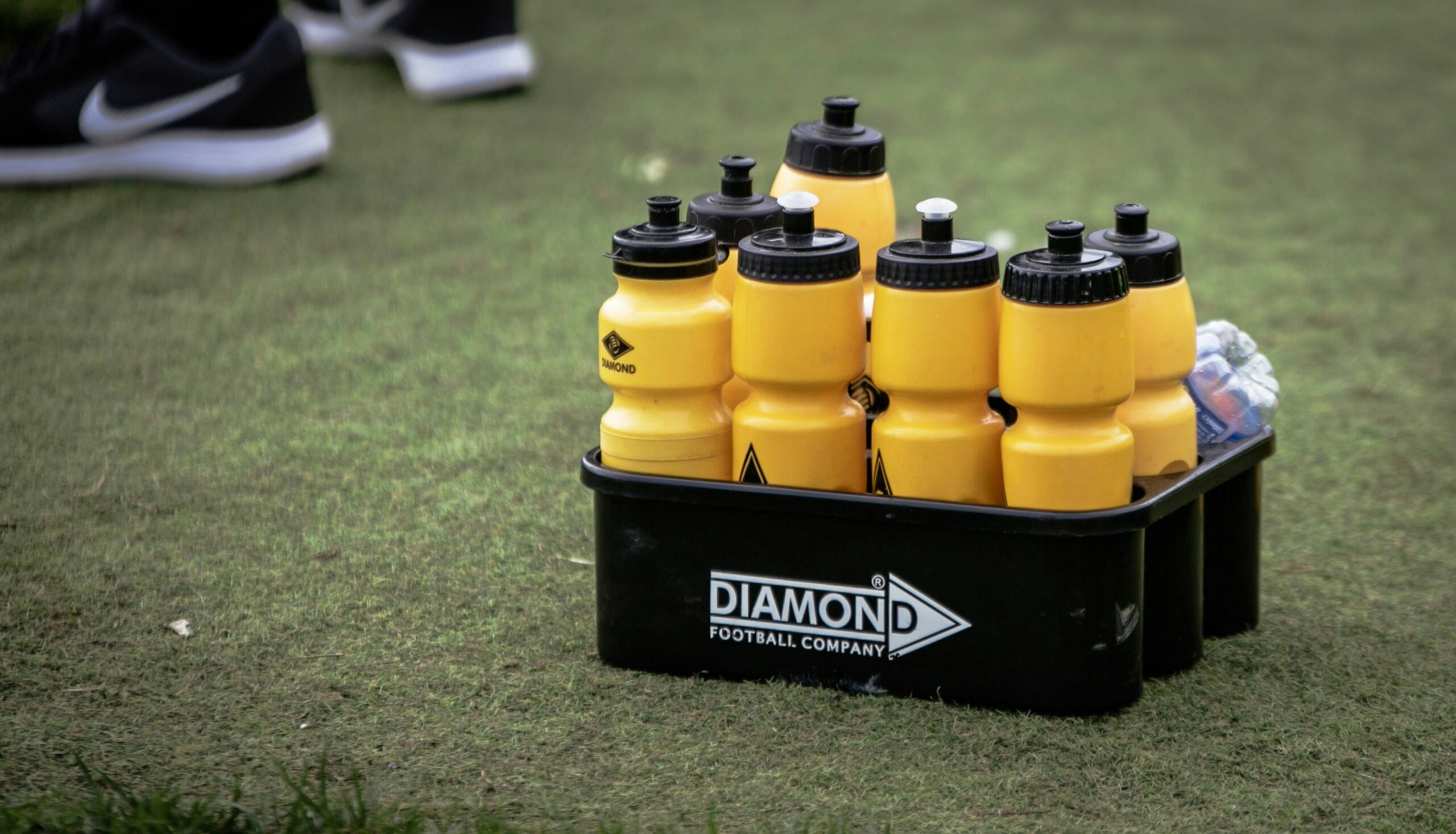
Ah, Fifa’s hydration breaks. Known more commonly amongst fanbases as commercial breaks, or Powerade’s chance to flood stadiums with its luminescent blue bottle, they’ve drawn scorn from many quarters during this World Cup. Yet despite their impact on the spectacle and experience of a match, they’ve also created new dynamics, even game-defining moments, that have directly contributed to the result of games.
Many teams have benefitted from the opportunity to switch things up tactically in response to how the ‘quarter’ has panned out and get messages across during the three-minute break. Many teams have also suffered from losing momentum and facing an opponent shaped by new tactics and motivation.
Such outcomes also happen in PR, albeit in different guises. Here I outline how the PR equivalents can be both a spark and a blocker to results.
A spark for results
- Last-minute content adaptation
Managers can do all of the analysis and preparation for a game but then be faced with new conditions or tactics that require adapting their approach, something the first hydration break has allowed for.
A PR team might have a press release lined up ready to pitch but then a highly-relevant story emerges in the media on the day of its scheduled release. In this situation, quickly incorporating this item can be the deciding factor in how well it’s received.
An extra messaging meeting or edit will be worth it; if anything, it will make the story even more compelling. Ploughing on with the same release, the same strategy, however, could result in limited coverage – the news agenda has already moved on and it will have lost its relevance. This is when the additional break becomes a momentum lifter over a momentum killer.
- Astute communication, both internally and externally
67 minutes on the clock. 1-0 down to DR Congo. This was the moment that England manager Thomas Tuchel showed his communication nous, his ability to stir up his players, get them pulling together towards the win. In the Mexico game, the same applied, perhaps even more so.
For all the data in the game, this is where the innate power of human communication and emotion comes through. If a story isn’t landing but then a comment opportunity arises, how do you clearly get the message across from your client, to your writer, to the press? How do you get everyone singing off the same PR sheet to grab the result you’re looking for?
- When the unexpected happens – defending for your lives
When England went down to 10 men at the Azteca, the game shifted again. After the final hydration break, it was a case of defending their lead at all costs, a heroic demonstration of resilience and skill.
It’s not quite defending for your lives in the PR world – the old ‘it’s PR, not ER’ mantra – but there are instances when you have to completely re-prioritise your schedule and adapt in the face of unforeseen obstacles. Train strikes, for example, have been a major feature of several in-person events we’ve put on, often cropping up at late notice, before either going ahead or suddenly being dropped.
Do you reschedule or come up with alternative plans? Do you drive ahead as planned and send out communication outlining new routes? Who steps in when a speaker pulls out ill (which has also happened)? It’s a case of rallying together and coming up with solutions.
A blocker to results
- Overthinking the message
You might have established a clear plan and strategy for a campaign. But then things get bro ke n u p to o much and the me ssa ge g et s l o s t.
That extra meeting put in – with too many voices, too many ideas – can derail the original goal. A streamlined approach of scheduled meetings and points of contact is key to keeping PR ticking over on an ongoing basis.
- Losing momentum
Knowing when to adapt or cull stories in line with the news agenda is a crucial skill – but so is knowing when to push ahead. Often, a story is strong enough on its own merits, and sticking with the timeline is pivotal to ensuring the timing of the news matches up with a company’s priorities.
More importantly, when content is landing, leads are flowing in and the media landscape is in your favour, you want to keep playing on the pitch and getting content out there. This is where the contextual awareness and experience of PR teams comes into play.
- The underlying motivations
In the same way hydration breaks should only be used when temperatures mean they’re warranted – even though three minutes is arguably too long, and we all know why they’re that length – PR pivots should only be used with a clear, justified goal in mind.
There is also the argument of equipping your team with the skills and awareness to be able to adapt to situations on their own accord without the extra meeting.
But regardless of whether hydration breaks should be used in football, what they’ve shown PR teams is how effective in-game management can be when the circumstances demand it.
Related Articles

CommsCo launches UK corporate events division to support post-pandemic networking surge
Article by:Roseanna Lane