The punk rise and fall of Brewdog, a brand that never recovered its image
Article by:Alex Maxwell
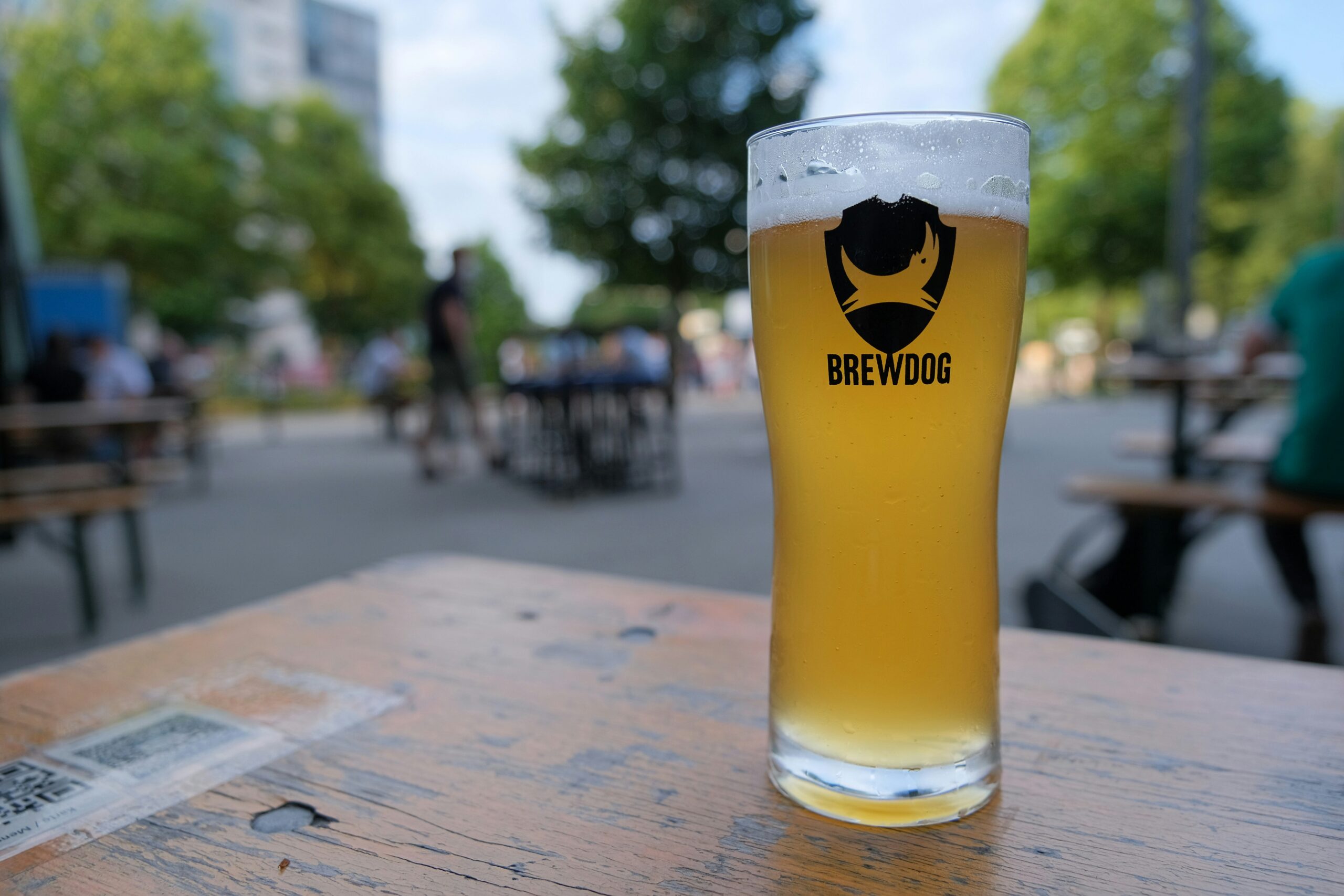
In 2017, Brewdog was at the height of its powers and influence. The independent craft brewer had just achieved a £1bn valuation. Everyone wanted a can of its craft ale; it was the trendy beer of choice, with vibrant, eye-catching logos, that tasted good, too.
Nearly a decade later, the once thriving can has been crushed. News broke this week of its £33m sale after the company entered administration, resulting in the closure of 38 bars and the loss of 480 jobs. That’s a long, long way from Brewdog’s heyday in 2017. Basically, 3% of the value. And at a time when the hospitality sector is already under the cosh, more people are now out of work, with their lives impacted.
Even after the sale, controversy prevails, with stories emerging that staff members were only given 25-minutes notice of a call to tell them they were to be made redundant with immediate effect, causing more uproar. But the company has been on a downward spiral for some time, mired by reputational damage triggered by its co-founders – James Watt and Martin Dickie – and the culture they oversaw.
The rebellion takes hold, teeters…
Brewdog’s first decade of growth was turbocharged by bold marketing tapping into the trends of the time. A rebellion against the mainstream, with a ‘Punk’ mindset. A large chunk of its growth – £75m of investment – was fuelled by Equity for Punks, a fundraising scheme where everyday investors could buy into the project with shares. Yet in 2017, the causes of its £1bn valuation would also bear a direct impact on why none of the Equity Punk investors will now be seeing a return on their investment.
Brewdog gave US equity firm TSG Consumer Partners ‘preference shares’ after it acquired a 22% stake. That meant TSG would get their money back first if there was ever a sale. This counteracted the very ‘ethos’ and notion behind Equity for Punks, going back on the messaging the brewer had been putting out there. Perhaps unbeknownst at the time, credibility was starting to crumble.
…and then collapses
Then came the actual destruction of Brewdog’s image. Already suffering from numerous PR mishaps, from 2021 onwards, accusations of inappropriate behaviour, bullying, poor management and a toxic culture created by its leaders remained stubborn stains on the ‘punk brand’, proving reputational damage does directly impact revenue.
Suddenly, the idea of buying a Brewdog can from the shop became far less attractive and cool – in fact, it had the opposite effect. It goes to show, no matter how good your marketing is, the image of leadership can directly sway how people interact with your brand. And imperatively, the company’s leaders didn’t manage to improve it.
A poor lesson in learning lessons
True, it has been a very tough time for the hospitality sector. As former Brewdog CEO James Brown pointed out, there have been an array of post-Brexit, post-Covid, cost-of-living and tax challenges. That’s the reality most are navigating – but it doesn’t alter how Watt and Dickie managed the business and its reputation.
Did they really make enough effort to patch up their image and culture again? The short answer is no. There was little attempt to actively take ownership, rebuild and totally transform processes. By retreating to ‘captain and co-founder’ in 2024, for instance, James Watt was taking a back seat but still a part of the brand and what it encompassed – and that hung over Brewdog’s image. It never really recovered.
Watt has since aimed to own the narrative with a LinkedIn post accepting he made “many mistakes” and was “heartbroken” for staff and investors. But this came after news had already emerged over how the redundancies unfolded. Unions have labelled workers as “disposable pawns” and the manner of the redundancies as “deplorable”. This only adds credence to what was taking place behind the scenes.
It starts from the top
Public images need to be maintained, and if they’re damaged, appropriate steps need to be taken to build them again. What this also shows, though, is that image and action have to go hand in hand – you can’t say something that is so clearly at odds with what is happening under the bonnet. Above all, if a leader’s image gets tarnished, so too does the brand’s. And in Brewdog’s case, it led to its rebellion losing all its fizz.
Equity for Punks ended as an ironic rallying cry. A sad outcome for all those who bought into the vision.
Related Articles