
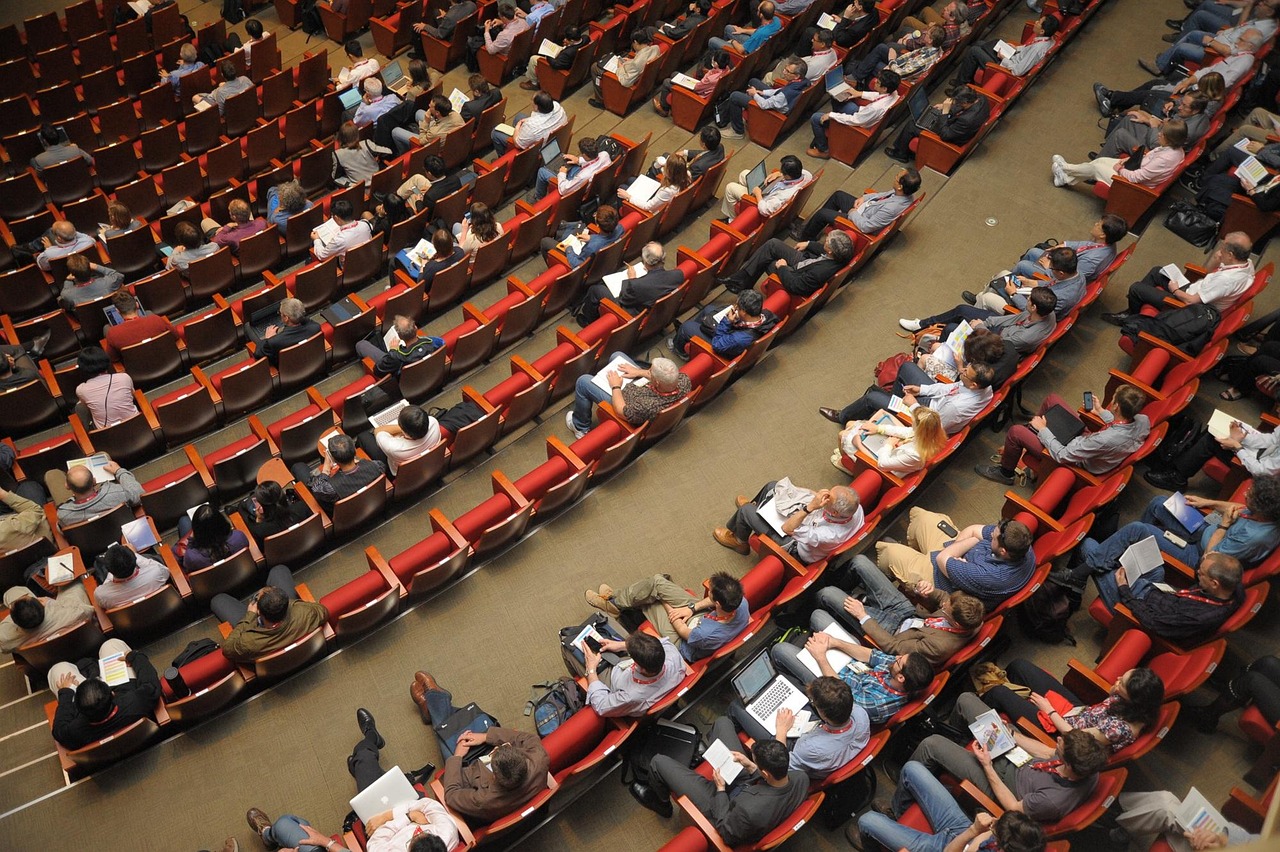
At a recent event, a journalist told me that they’ve started actively hunting for typos in PR pitch emails. Not to mock them, but to prove they’re ‘real’ and not AI-generated. A misplaced comma, a minor spelling error, anything that signals an actual human wrote it. It’s a small detail that says a lot about where we are in PR.
My colleague Alex recently wrote about the return to analogue in PR. He made the case for why traditional PR fundamentals – print publications and targeted content – still hold weight in a world saturated with digital noise and AI-generated content. That conversation about typos kept coming back to me, because it underscores the same point: there’s no substitute for genuine human contact.
I spend a lot of my time securing in-person interviews for clients, preparing briefings, moderating those conversations with journalists, and making sure our teams are at the right industry events. The email pitches that I use to secure these are essential – they get journalists’ attention, share news, and keep conversations going.
However, there’s a dimension to PR that can’t happen over email: The in-person conversation that builds context and lasting relationships. Face-time, whether that be at events or informal meetings, is what turns conversations into relationships.
Why face-time works
Journalism is a traditional industry at heart, even when covering cutting-edge tech. Journalists want real stories, real people, and real context. No matter how exciting the technology is, the journalist wants to understand the people that make it tick. After all, people buy from people.
The value isn’t just in the immediate conversation – it’s in what follows. A journalist who’s met your team in person is far more likely to engage with future pitches, but just as importantly, they’re more likely to come to you proactively. They may reach out for comment on a breaking story, ask for background insight under deadline pressure, or seek your perspective for a future article.
Ultimately, a brief chat at a trade show can create familiarity that turns into long-term coverage opportunities, where your brand becomes a trusted source rather than just another name in an inbox.
Events as strategic assets
For tech scaleups, events offer a leveller that digital channels don’t. You might not have the budget to exhibit at major trade shows, but you can show up and speak to the right people.
What does this look like in practice? You can make sure your CEO is on a relevant panel, or you can host a roundtable where journalists can have proper conversations with your team. The aim is to do this consistently. The relationships that lead to thoughtful coverage are being built over breakfast briefings and in networking spaces at trade events.
On top of this, before each event, your PR team should be determining which journalists will be in attendance, and be proactive about arranging the briefings and meetings that build those relationships. The value doesn’t come from simply being present, but from being intentional about who you spend time with and why.
The balance that works
This isn’t about abandoning digital PR. AI can handle transcription, analysis, and plenty of the admin that used to eat up hours. What it can’t do is build trust with a journalist or provide the human context that makes a story resonate.
In an age of AI, the human elements of PR have become more valuable. Building genuine relationships with journalists takes time and presence – being genuinely helpful and earning trust over multiple interactions.
You don’t need a five-figure budget to attend the right events or arrange coffee meetings. You just need to be strategic, consistent, and present when it counts.
Want to learn more? Get in touch with the team today.
Related Articles

PR agency or ‘Growth Partner’? How B2B agencies have to adapt to market demand
Article by:Ilona Hitel

Racist babies and worthless jobs – spotting the signs of misleading content online
Article by:Ryan Seller